

Nail fungus, scientifically known as onychomycosis, is a widespread condition affecting millions worldwide. It often begins as a small discoloration or spot under the nail and can develop into a severe issue if untreated. Nail fungus not only impacts the appearance of nails but can also cause discomfort and further complications. In this article, we will delve into the causes, symptoms, and ways to identify nail fungus effectively to help you take timely action.
What is Nail Fungus?
Nail fungus is a fungal infection that primarily targets the keratin that forms nails. This condition can affect both fingernails and toenails, though toenails are more commonly impacted due to their prolonged exposure to warm, moist environments like shoes.
Fungi-causing nail infections belong to three main groups:
- Dermatophytes: These are the most common culprits and thrive by feeding on keratin.
- Yeasts: Organisms such as Candida can lead to infections, particularly in fingernails.
- Molds: Less common, molds can still cause nail infections, especially in individuals with pre-existing nail injuries.
The infection typically enters the nail through tiny cuts or gaps between the nail and the nail bed, providing fungi the ideal conditions to multiply.
Causes of Nail Fungus
Several factors contribute to the development of nail fungus. Below are the most common causes:
- Dermatophyte Infections: These fungi are the primary reason for nail infections. They thrive in warm, damp conditions, making locker rooms, swimming pools, and communal showers common sources of exposure.
- Weakened Immune System: Conditions such as diabetes, HIV, or advanced age reduce the body’s ability to fight infections, increasing vulnerability.
- Nail Trauma: Injuries to the nail create entry points for fungi, making them more susceptible to infection.
- Footwear Choices: Tight, non-breathable shoes create an environment conducive to fungal growth.
- Environmental Exposure: Walking barefoot in public areas like gyms, saunas, and swimming pools raises the risk of fungal infections.
Symptoms of Nail Fungus
Recognizing nail fungus early can prevent it from worsening. Common symptoms include:
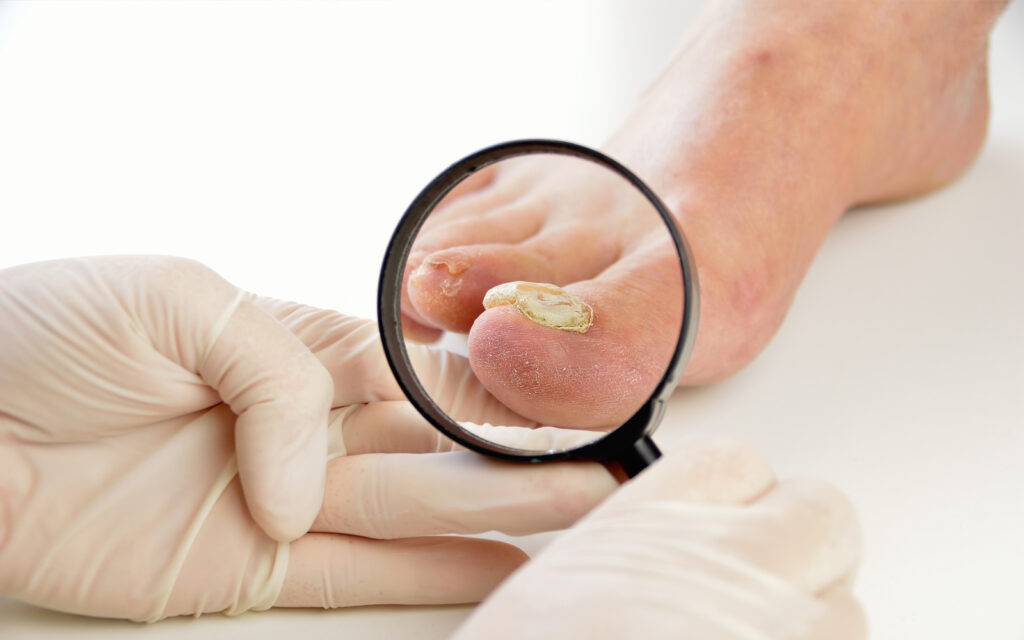
- Discoloration: Yellow, white, or brown spots are often the first signs of a fungal infection.
- Thickened Nails: Infected nails may grow abnormally thick and become harder to trim.
- Crumbly or Brittle Texture: The nail may weaken, crack, or crumble, particularly at the edges.
- Deformation: Advanced infections can cause nails to become misshapen or separate from the nail bed entirely.
- Foul Odor: Severe fungal infections may produce an unpleasant smell.
- Pain or Discomfort: In some cases, the infection may cause sensitivity or pain, especially when pressure is applied.
How to Identify Nail Fungus
Identifying nail fungus in its early stages improves the chances of effective treatment. Here’s how you can spot it:
- Visual Inspection: Pay attention to any unusual changes in nail color, thickness, or texture. Small white or yellow spots are early indicators.
- Progression Tracking: Monitor the spread of discoloration or deformation over time.
- Professional Diagnosis: For an accurate diagnosis, visit a dermatologist. They may perform a nail culture or microscopic analysis to confirm the fungal infection.
- Differentiating Conditions: Other conditions, such as psoriasis or nail trauma, can mimic fungal infections. Professional evaluation ensures correct diagnosis and treatment.
Prevention Tips
Preventing nail fungus is often easier than treating it. Follow these tips to reduce your risk:
- Maintain Hygiene: Wash and dry your hands and feet thoroughly, especially after being in damp environments.
- Wear Protective Footwear: Always use flip-flops or sandals in communal showers, pools, and locker rooms.
- Choose Breathable Shoes: Opt for footwear made of materials that allow air circulation to keep your feet dry.
- Trim Nails Properly: Keep nails short and clean to minimize fungal entry points.
- Avoid Sharing Personal Items: Do not share nail clippers, files, or footwear with others.
- Use Antifungal Products: Powders, sprays, or creams designed to prevent fungal growth can be particularly effective for those prone to infections.
- Regularly Disinfect Tools: Ensure nail clippers and other tools are sterilized after each use.
Conclusion
Nail fungus is a common yet preventable condition that can cause significant discomfort and aesthetic concerns. By understanding its causes and symptoms, you can identify it early and seek appropriate treatment. Maintaining good hygiene and taking preventive measures, such as using breathable footwear and avoiding shared tools, can drastically reduce your risk. If you suspect an infection, consult a dermatologist promptly to prevent further complications.
FAQ
What causes nail fungus?
Nail fungus is caused by dermatophytes, yeasts, and molds that thrive in warm, moist environments, often entering through small cuts or separations in the nail.
How can I identify nail fungus early?
Look for discoloration, thickened nails, brittleness, or small white/yellow spots under the nail.
Can nail fungus heal on its own?
It rarely resolves without treatment and may worsen over time if left unaddressed.
What are the most common symptoms of nail fungus?
Common symptoms include discoloration, thickened nails, brittle texture, and foul odor.
How can I prevent nail fungus?
Maintain good hygiene, wear breathable footwear, and avoid walking barefoot in communal areas to reduce the risk of infection.
It is important for people considering skin tag removal in plano , laser hair removal in plano ,microneedling in plano, Hydrafacial in plano, Microdermabrasion plano, Laser electrolysis plano, Nail Fungus plano, Rosacea Treatment in plano, Spider Vein Removal plano, Wrinkle Reduction in plano, Botox in plano, Hifu in plano,Oxygeno Facial in Plano to undergo a full consultation with a qualified doctor or cosmetologist – Aesthetician Nasrin, – to assess their suitability for this procedure and discuss their .
No comment yet, add your voice below!