

Understanding Nail Health
Healthy nails are smooth, uniform in color, and free of any cracks or irregularities. However, several conditions can affect the appearance and health of your nails. Nail fungus is a common issue, but it’s often confused with other nail conditions due to overlapping symptoms. In this article, we’ll explore the key differences between nail fungus and other nail conditions to help you identify and address the root cause of your nail problems.
What Is Nail Fungus?
Nail fungus, or onychomycosis, is a fungal infection that affects the nails, often starting as a white or yellow spot under the tip of the nail. Over time, the infection can cause the nail to thicken, discolor, and become brittle. Nail fungus is more common in toenails but can also occur in fingernails.
Key Features of Nail Fungus:
- Thickened nails
- Yellow, brown, or white discoloration
- Brittle or crumbling nails
- Foul odor in severe cases
- Nail detachment from the nail bed (onycholysis)
Common Nail Conditions Mistaken for Nail Fungus
Brittle Nails
Brittle nails, or onychoschizia, often occur due to excessive exposure to water, harsh chemicals, or aging. Unlike nail fungus, brittle nails are not caused by an infection.
Symptoms:
- Split or cracked nails
- Thin, fragile nail plates
Psoriasis of the Nails
Nail psoriasis is an autoimmune condition that can mimic fungal infections. It occurs when psoriasis affects the nail matrix.
Symptoms:
- Pitting or denting of the nail surface
- Chalky white buildup under the nail
- Separation of the nail from the bed
Paronychia
Paronychia is an infection of the skin surrounding the nails, usually caused by bacteria or yeast.
Symptoms:
- Redness and swelling around the nail
- Pain and tenderness
- Pus-filled blisters
Leukonychia
Leukonychia causes white spots or streaks on the nails and is often a result of trauma, nutritional deficiencies, or systemic conditions.
Symptoms:
- White spots or lines on the nail plate
- No thickening or discoloration
Symptoms: How to Differentiate Nail Fungus from Other Conditions
While many nail conditions share overlapping symptoms, key differences can help in diagnosis:
| Symptom | Nail Fungus | Other Conditions |
|---|---|---|
| Discoloration | Yellow, brown, white | White spots (leukonychia) or red streaks (trauma) |
| Nail Thickening | Yes | Rare |
| Pain | Sometimes | Common in paronychia |
| Surface Texture | Rough and brittle | Pitted (psoriasis) or smooth (leukonychia) |
| Smell | Foul odor in severe cases | Rare |
Causes of Nail Fungus vs. Other Nail Conditions
Nail Fungus Causes:
- Warm, moist environments (e.g., sweaty shoes)
- Walking barefoot in communal areas like gyms and pools
- Weakened immune system
- Poor foot hygiene
Causes of Other Nail Conditions:
- Brittle Nails: Excessive water exposure, chemicals, or aging
- Nail Psoriasis: Genetic predisposition and autoimmune factors
- Paronychia: Nail biting or exposure to irritants
- Leukonychia: Trauma or nutritional deficiencies (e.g., zinc or calcium)
Treatments and Remedies
Nail Fungus Treatment Options
- Over-the-Counter Antifungal Products: Creams, gels, or polishes.
- Prescription Medications: Oral antifungals like terbinafine or itraconazole.
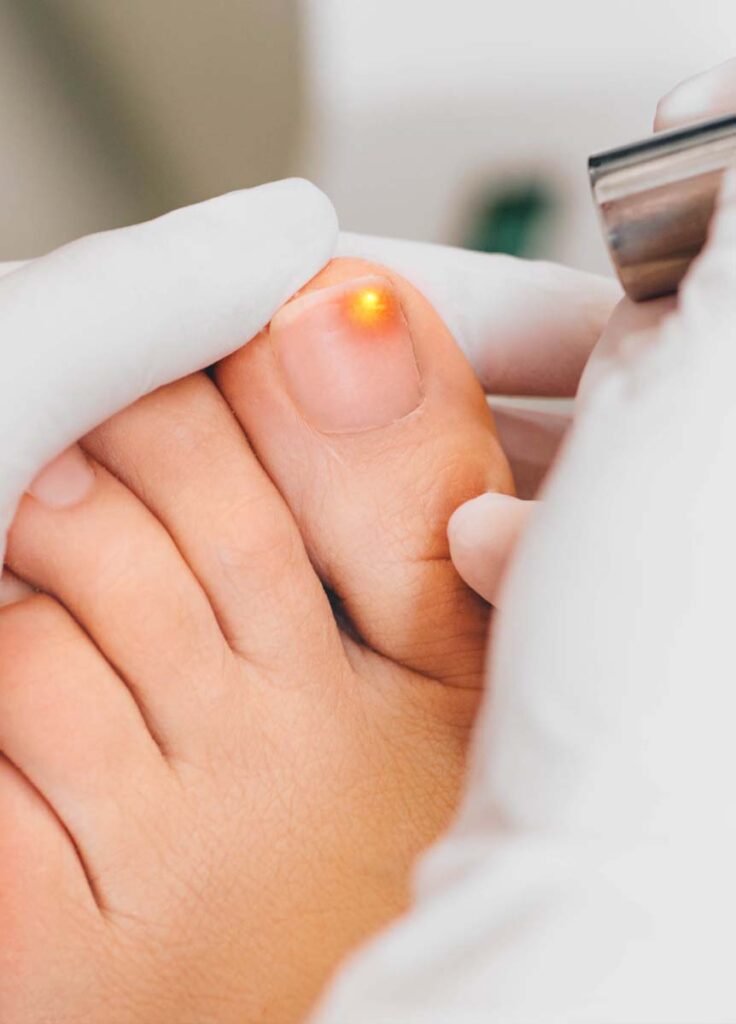
- Laser Therapy: Targets and kills fungal cells.
- Home Remedies: Tea tree oil or vinegar soaks (mild cases).
Remedies for Other Nail Conditions
- Brittle Nails: Hydrate with nail creams, avoid harsh chemicals, and use gloves.
- Nail Psoriasis: Topical steroids or systemic treatments prescribed by a dermatologist.
- Paronychia: Warm soaks, antibiotics, or antifungal medication for severe infections.
- Leukonychia: Address underlying causes, such as dietary deficiencies or trauma.
Prevention Tips for Healthy Nails
- Maintain Nail Hygiene: Keep nails clean and dry.
- Avoid Sharing Nail Tools: Prevent cross-contamination.
- Wear Breathable Shoes: Reduce moisture in toenail areas.
- Trim Nails Properly: Avoid overly short cuts that expose the nail bed.
- Moisturize Regularly: Prevent brittleness.
- Practice Good Diet: Include foods rich in biotin, zinc, and calcium.
FAQ
How do I know if I have nail fungus or another condition?
Look for thickening, discoloration, and brittleness. If unsure, consult a dermatologist for a proper diagnosis.
Can nail fungus go away on its own?
No, nail fungus requires treatment to prevent it from worsening.
Are home remedies effective for nail fungus?
Home remedies may help in mild cases, but persistent infections require professional treatment.
How long does it take to treat nail fungus?
Treatment can take several weeks to months, depending on the severity.
Can nail conditions be prevented?
Yes, practicing good hygiene, using protective gloves, and maintaining a healthy diet can prevent many nail problems.
When should I see a doctor?
Consult a healthcare professional if symptoms persist, worsen, or cause pain.
It is important for people considering skin tag removal in plano , laser hair removal in plano ,microneedling in plano, Hydrafacial in plano, Microdermabrasion plano, Laser electrolysis plano, Nail Fungus plano, Rosacea Treatment in plano, Spider Vein Removal plano, Wrinkle Reduction in plano, Botox in plano, Hifu in plano,Oxygeno Facial in Plano to undergo a full consultation with a qualified doctor or cosmetologist – Aesthetician Nasrin, – to assess their suitability for this procedure and discuss their .
No comment yet, add your voice below!