

In 2026, fungal nail infection treatments have significantly improved with advanced laser technology, nanoparticle-based topical medications, and safer oral antifungal drugs. These innovations offer faster results and higher cure rates compared to traditional treatments.
Nail fungus, or onychomycosis, affects millions of people worldwide, causing discomfort, discoloration, and thickened nails. Traditional treatments often have limited effectiveness or require long-term commitment. However, 2026 has brought new breakthroughs in nail fungus treatment, from advanced topical solutions to innovative laser therapies and antifungal drugs. This article explores the latest research and developments in the fight against nail fungus.
The Growing Concern of Nail Fungus
Nail fungus is not just a cosmetic issue; it can lead to severe complications, especially for individuals with diabetes or compromised immune systems. The global prevalence of onychomycosis is increasing, leading researchers to explore more effective and accessible treatments.
Latest Treatment Innovations in 2026
1. Next-Generation Topical Treatments
Recent advancements in antifungal creams and lacquers have improved their ability to penetrate the nail plate. Researchers have developed nanoparticle-based formulations that enhance drug delivery and increase effectiveness. Some notable treatments include:
- Luliconazole nano-emulsion: A fast-acting topical solution with improved absorption.
- Ciclopirox enhanced with nanotechnology: Provides deeper penetration into the nail bed.
2. New Oral Antifungal Medications
Traditional oral antifungals like terbinafine and itraconazole can have side effects such as liver toxicity. In 2026, new safer alternatives have emerged:
- Olorofim: A novel antifungal agent targeting resistant fungal strains.
- Ibrexafungerp: An FDA-approved oral treatment that offers a broad spectrum of action with fewer side effects.
3. Laser and Light-Based Therapies
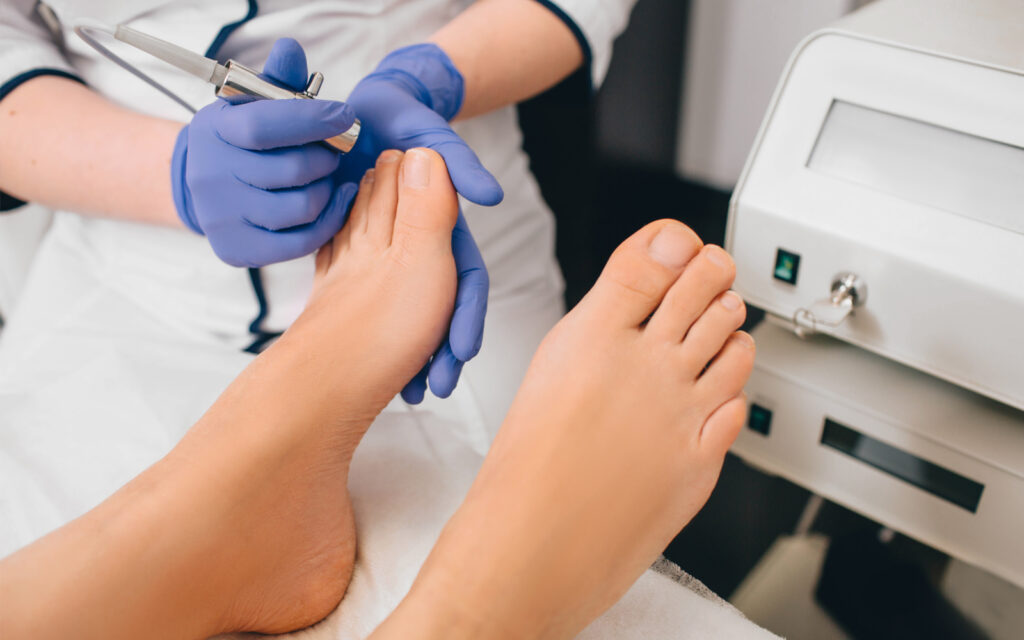
Laser treatments have gained popularity due to their non-invasive nature and minimal side effects. The latest laser technologies in 2026 include:
- Cold Plasma Therapy: A painless approach that disrupts fungal cell membranes.
- Dual-Wavelength Lasers: More effective at penetrating thick nails and killing fungal spores.
4. Biological and Natural Treatments
Scientists are exploring probiotics, essential oils, and plant-based antifungals as alternative treatments. Promising developments include:
- Lactobacillus-based treatments: Beneficial bacteria that help prevent fungal overgrowth.
- Tea tree oil nanoparticles: Improved bioavailability for enhanced antifungal effects.
5. Gene Therapy and CRISPR Applications
One of the most groundbreaking developments is the potential use of CRISPR technology to target fungal DNA. This approach aims to modify fungal susceptibility to antifungal drugs, leading to more effective treatment options.
What’s New in Fungal Nail Infection Treatments in 2026
- Improved laser precision with shorter treatment cycles
- Next-generation antifungal nanoparticles with deeper nail penetration
- Lower toxicity oral medications with higher cure rates
- AI-assisted diagnosis is improving early detection
Preventative Strategies and Future Outlook
While treatment options continue to improve, prevention remains crucial. Experts recommend:
- Keeping feet dry and clean.
- Avoiding shared footwear and nail tools.
- Using antifungal sprays or powders.
The future of nail fungus treatment looks promising, with ongoing clinical trials focusing on faster and more effective solutions. As research progresses, we can expect even more targeted and less invasive treatments in the coming years.
Patients considering nail fungus treatment in Plano should consult Aesthetician Nasrin to determine the most suitable option.
FAQ
What is the newest treatment for fungal nail infection in 2026?
The newest treatments include dual-wavelength laser therapy, nanoparticle antifungal creams, and improved oral medications with reduced side effects.
2. Are there any new home remedies for nail fungus?
While research is ongoing, probiotic-based treatments and enhanced tea tree oil formulations show promising results for at-home care.
3. How long does it take to cure nail fungus with new treatments?
Some of the latest treatments, such as nanoparticle-based topicals and dual-wavelength lasers, can show improvement within a few weeks, but complete resolution may take several months.
4. Is laser therapy better than oral medication for nail fungus?
Laser therapy offers a non-invasive alternative with fewer side effects, but oral medications may still be necessary for severe cases.
5. Will CRISPR technology be available for treating nail fungus soon?
CRISPR applications for nail fungus are still in early research stages, but scientists are optimistic about its potential in the coming years.
It is important for people considering skin tag removal in plano , laser hair removal in plano ,microneedling in plano, Hydrafacial in plano, Microdermabrasion plano, Laser electrolysis plano, Nail Fungus plano, Rosacea Treatment in plano, Spider Vein Removal plano, Wrinkle Reduction in plano, Botox in plano, Hifu in plano,Oxygeno Facial in Plano to undergo a full consultation with a qualified doctor or cosmetologist – Aesthetician Nasrin, – to assess their suitability for this procedure and discuss their .
No comment yet, add your voice below!